How Website Design Impacts Customer Trust and Conversions
In today’s digital world, a website is often the first interaction customers have with a business. Before contacting a company, visiting a store, or making a purchase, most people search online to learn more about a brand. Because of this, website design has become one of the most important factors influencing customer trust, engagement, and purchasing decisions.
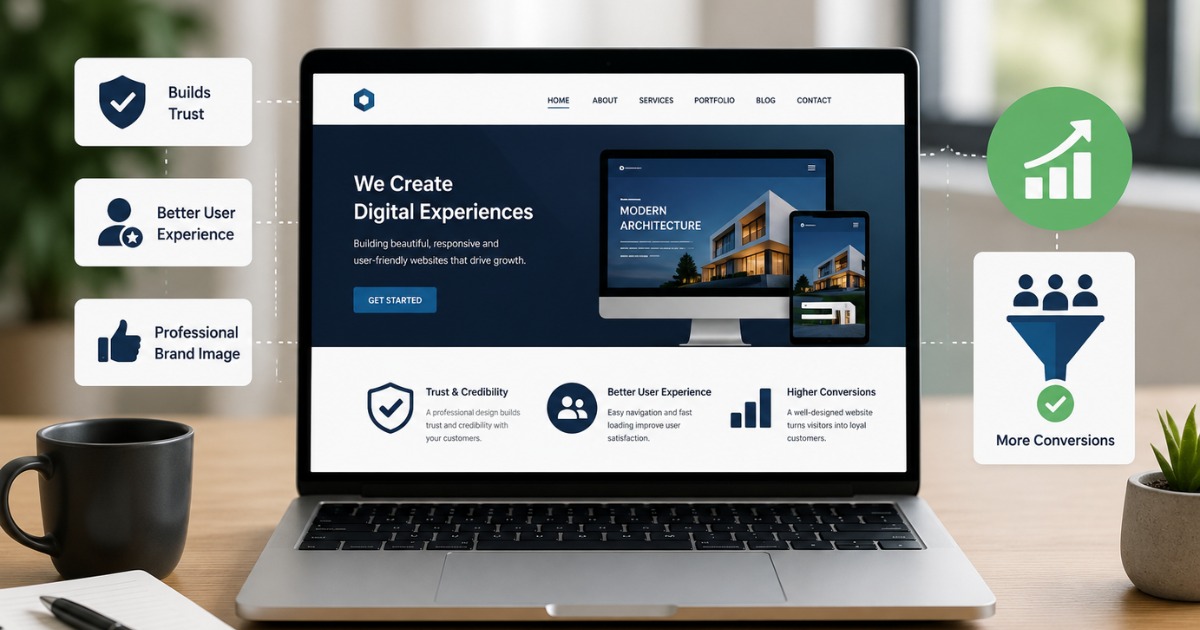
A professionally designed website does more than simply look attractive. It helps businesses create positive first impressions, improve user experience, build credibility, and increase conversions. On the other hand, outdated or poorly designed websites can drive potential customers away and reduce trust instantly.
For businesses in New Zealand looking to improve online performance, investing in professional website design is essential for long-term success.
Why Website Design Matters for Businesses
A website acts as a digital storefront for a business. Just like a physical store, the appearance, structure, and experience of a website influence how customers perceive a company.
Customers often judge businesses based on:
- Website appearance
- Loading speed
- Navigation
- Mobile responsiveness
- Content quality
- Professionalism
Studies show that users form opinions about websites within seconds of visiting them. A strong website design helps businesses create trust immediately and encourages visitors to stay longer.
👉 Learn more about user experience design: https://www.nngroup.com/articles/definition-user-experience/
What Is Website Design?
Website design refers to the process of creating the visual appearance, structure, functionality, and user experience of a website.
Effective website design includes:
- Layout and structure
- Colours and branding
- Navigation
- Mobile responsiveness
- Website speed
- Calls-to-action
- User-friendly experience
The goal is to create a website that is visually appealing, easy to use, and designed to encourage customer interaction and conversions.
1. First Impressions Build Customer Trust
First impressions are critical online.
When users visit a website, they immediately decide whether a business appears:
- Professional
- Trustworthy
- Reliable
- Modern
A clean and modern website design creates confidence and encourages visitors to continue exploring the site.
Poor design elements such as:
- Outdated layouts
- Broken pages
- Slow loading speed
- Cluttered content
- Poor mobile experience
can quickly reduce trust and increase bounce rates.
A professional website helps businesses establish credibility from the very first interaction.
2. Professional Design Increases Credibility
Customers are more likely to trust businesses with polished and professional websites.
Professional website design communicates:
- Business legitimacy
- Industry expertise
- Attention to detail
- Customer commitment
For many customers, a business website reflects the overall quality of the company itself.
Businesses without professional websites may appear:
- Unreliable
- Outdated
- Less experienced
A well-designed website strengthens brand reputation and encourages customers to take action confidently.
👉 Learn more about website credibility: https://www.stanford.edu/group/webcred/
3. User Experience Directly Impacts Conversions
User experience (UX) plays a major role in conversion rates.
If visitors struggle to navigate a website, find information, or complete actions, they are more likely to leave without converting.
Good user experience includes:
- Simple navigation
- Fast loading pages
- Clear calls-to-action
- Easy-to-read content
- Mobile optimisation
Improving user experience helps businesses:
- Reduce bounce rates
- Increase engagement
- Improve customer satisfaction
- Generate more enquiries and sales
A user-friendly website encourages visitors to stay longer and complete desired actions.
4. Mobile-Friendly Design Is Essential
A large percentage of internet users browse websites on smartphones and tablets.
Businesses with mobile-friendly websites provide better experiences for mobile users.
Responsive website design ensures websites:
- Adapt to different screen sizes
- Load properly on mobile devices
- Improve usability
- Increase accessibility
Google also prioritises mobile-friendly websites in search rankings.
Poor mobile experiences can:
- Reduce trust
- Increase bounce rates
- Lower search rankings
- Decrease conversions
👉 Learn more about mobile-friendly websites: https://developers.google.com/search/mobile-sites
5. Fast Website Speed Improves Customer Experience
Website speed significantly impacts user experience and conversions.
Modern customers expect websites to load quickly. Slow-loading websites often frustrate users and cause them to leave.
Fast websites improve:
- User satisfaction
- Search engine rankings
- Engagement
- Conversion rates
Studies show that even small delays in loading speed can reduce sales and increase bounce rates.
Businesses should optimise:
- Images
- Hosting
- Website code
- Mobile performance
to improve speed and performance.
👉 Learn more about website performance: https://web.dev/performance/
6. Clear Navigation Helps Customers Find Information Easily
Website navigation should be simple and intuitive.
Visitors should easily find:
- Services
- Products
- Contact details
- Pricing
- Important information
Poor navigation creates frustration and increases the chances of users leaving the site.
Effective navigation improves:
- User experience
- Customer trust
- Engagement
- Conversion opportunities
Simple website structures help customers move smoothly through the buyer journey.
7. Strong Branding Builds Recognition and Trust
Consistent branding across a website improves professionalism and recognition.
Website branding includes:
- Logo placement
- Colour schemes
- Fonts
- Visual style
- Messaging
Strong branding helps businesses:
- Build customer trust
- Increase recognition
- Create memorable experiences
Consistent design makes businesses appear more organised and credible.
Customers are more likely to trust businesses with professional and cohesive branding.
8. High-Quality Content Supports Trust
Website content plays a major role in customer trust and conversions.
Clear and informative content helps customers understand:
- Products and services
- Business expertise
- Company values
- Customer benefits
Well-written content also improves SEO and search visibility.
Businesses should focus on:
- Clear messaging
- Helpful information
- Professional language
- Easy readability
Combining quality content with professional design creates stronger online experiences.
👉 Learn more about content marketing: https://contentmarketinginstitute.com/
9. Calls-to-Action Increase Conversions
Calls-to-action (CTAs) guide visitors toward desired actions.
Examples include:
- Contact Us
- Book Now
- Learn More
- Get a Quote
- Shop Now
Effective CTAs improve:
- Lead generation
- Enquiries
- Sales
- Customer interaction
Good website design places CTAs strategically to encourage user engagement and conversions.
Clear CTAs help customers understand the next step in their journey.
10. SEO-Friendly Website Design Improves Visibility
Website design also affects search engine rankings.
SEO-friendly websites help businesses:
- Rank higher on Google
- Increase traffic
- Improve visibility
- Attract targeted customers
SEO-friendly design includes:
- Mobile responsiveness
- Fast loading speed
- Clean website structure
- Optimised content
- Secure HTTPS connections
Businesses with SEO-optimised websites often achieve stronger online performance.
👉 Learn more about SEO-friendly websites: https://moz.com/learn/seo/web-design
Common Website Design Mistakes Businesses Should Avoid
Outdated Design
Old website designs reduce credibility and trust.
Slow Loading Speed
Slow websites frustrate visitors and reduce conversions.
Poor Mobile Experience
Non-responsive websites lose mobile users.
Confusing Navigation
Complex layouts make it difficult for users to find information.
Weak Calls-to-Action
Visitors may leave without taking action.
Too Much Clutter
Overcrowded pages reduce readability and engagement.
Avoiding these mistakes helps businesses improve customer trust and website performance.
Why Professional Website Design Matters
Professional website design helps businesses:
- Improve customer trust
- Increase conversions
- Strengthen branding
- Enhance user experience
- Improve SEO performance
- Generate more leads
A professionally designed website creates positive experiences that encourage visitors to become customers.
Experienced web designers understand how to combine:
- Design
- Functionality
- Marketing
- User experience
to achieve better online results.
How 29i Digital Helps Businesses with Website Design
29i Digital provides professional website design solutions tailored to business goals and customer needs.
Services include:
- Website design
- Responsive web development
- SEO-friendly websites
- Mobile optimisation
- User experience improvements
- Branding integration
- Conversion-focused design
The goal is to help businesses create modern, high-performing websites that improve trust, visibility, and conversions.
Whether you need a new website or want to improve an existing one, 29i Digital creates customised solutions designed for long-term digital success.
Final Thoughts
Website design plays a major role in customer trust, user experience, and online conversions.
A professional website helps businesses:
- Create strong first impressions
- Build credibility
- Improve customer engagement
- Increase sales opportunities
- Strengthen online visibility
In today’s competitive digital marketplace, businesses with modern, user-friendly, and SEO-optimised websites are more likely to succeed online.
Investing in professional website design is not just about appearance — it’s about creating experiences that turn visitors into loyal customers.
If you want to improve your online presence and grow your business effectively, professional website design can make a significant difference.
📞 Contact: 0800 290 029